
Last Updated: November 12, 2026
Quick Summary
The best natural cleaning products for home use match the product to the soil type, such as grease, soap scum, glass film, or floor grime, rather than using one bottle for everything. Check the full ingredient list, because "natural" is not a regulated term on most household cleaners.
- Choose one product per task, starting with the rooms and surfaces you clean most often.
- Let dish soap sit a minute on baked-on food before scrubbing.
- Streaking on glass usually comes from too much product or cleaning in direct sun.
- Never combine vinegar or acidic cleaners with chlorine-based products, as this releases chlorine gas.
- Keep cleaning products out of reach of children and pets, and never decant them into drink bottles.
Table of Contents
- Choosing Natural Cleaning Products by Task and Room
- Reading Ingredient Labels and Judging Natural Claims
- DIY Natural Cleaning Recipes and When to Buy Instead
- Frequently Asked Questions
Choosing Natural Cleaning Products by Task and Room
Match natural cleaning products to the job: list the rooms and surfaces you clean most, then choose one product per task rather than one bottle for everything.
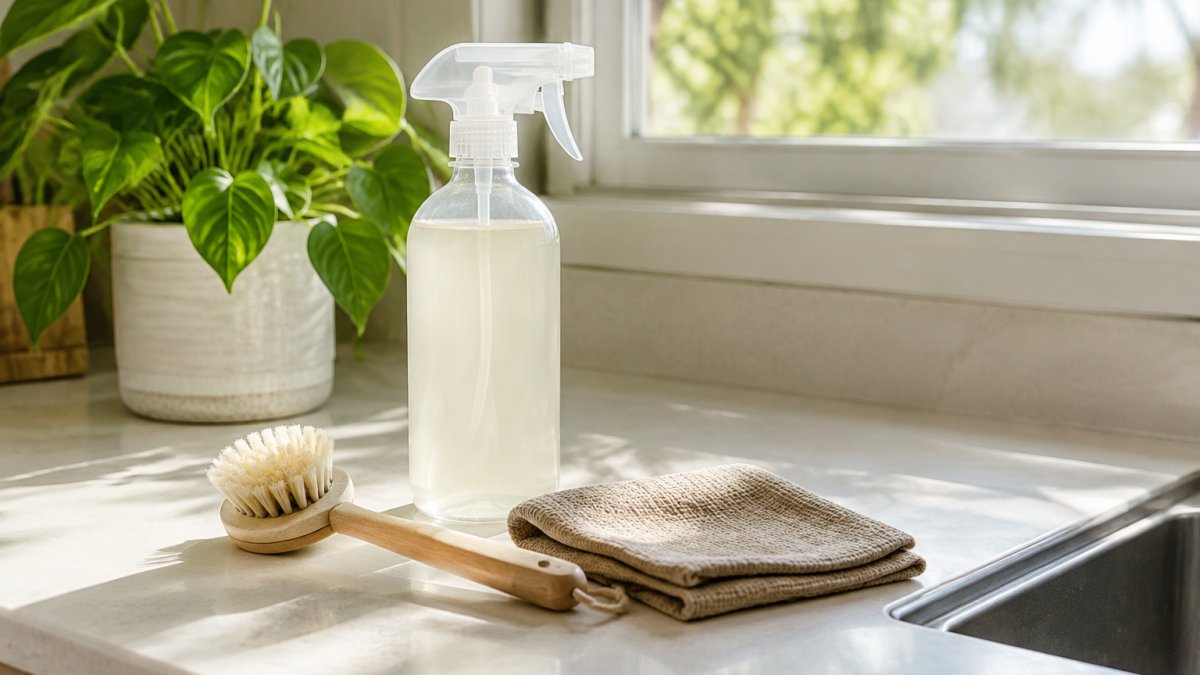
Choose by soil type, not room label, grease, soap scum, mineral film, dust and food residue each respond to different chemistry.
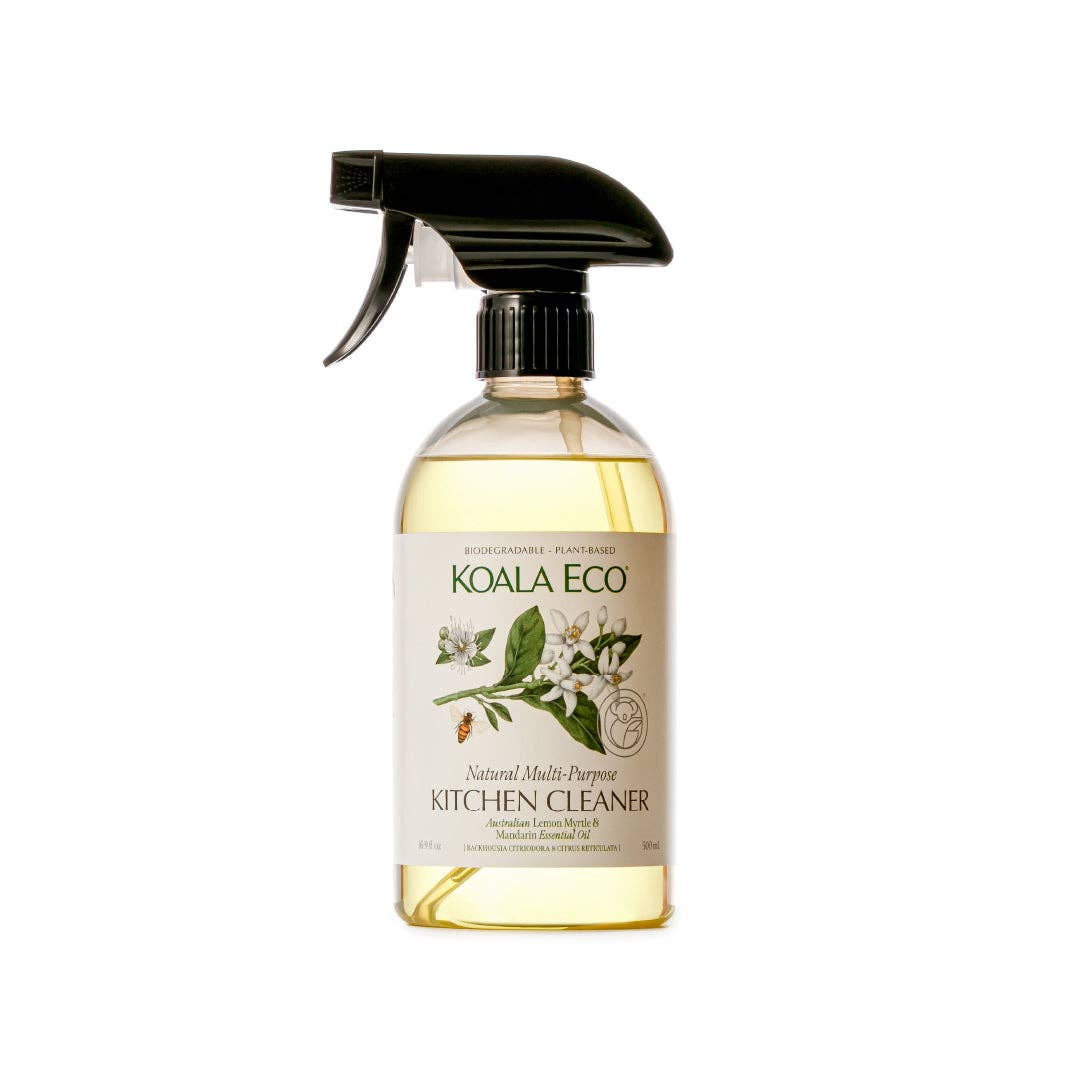
Grease and food residue (kitchen). The Lemon Myrtle & Mandarin Multi-Purpose Kitchen Cleaner at $14.95 suits counter tops and food prep areas; the Lemon Myrtle & Mandarin Dish Soap at $14.95 cuts through grease and food residue, paired with the Traditional Dish Scrub at $12.95. Let dish soap sit a minute on baked-on food before scrubbing.
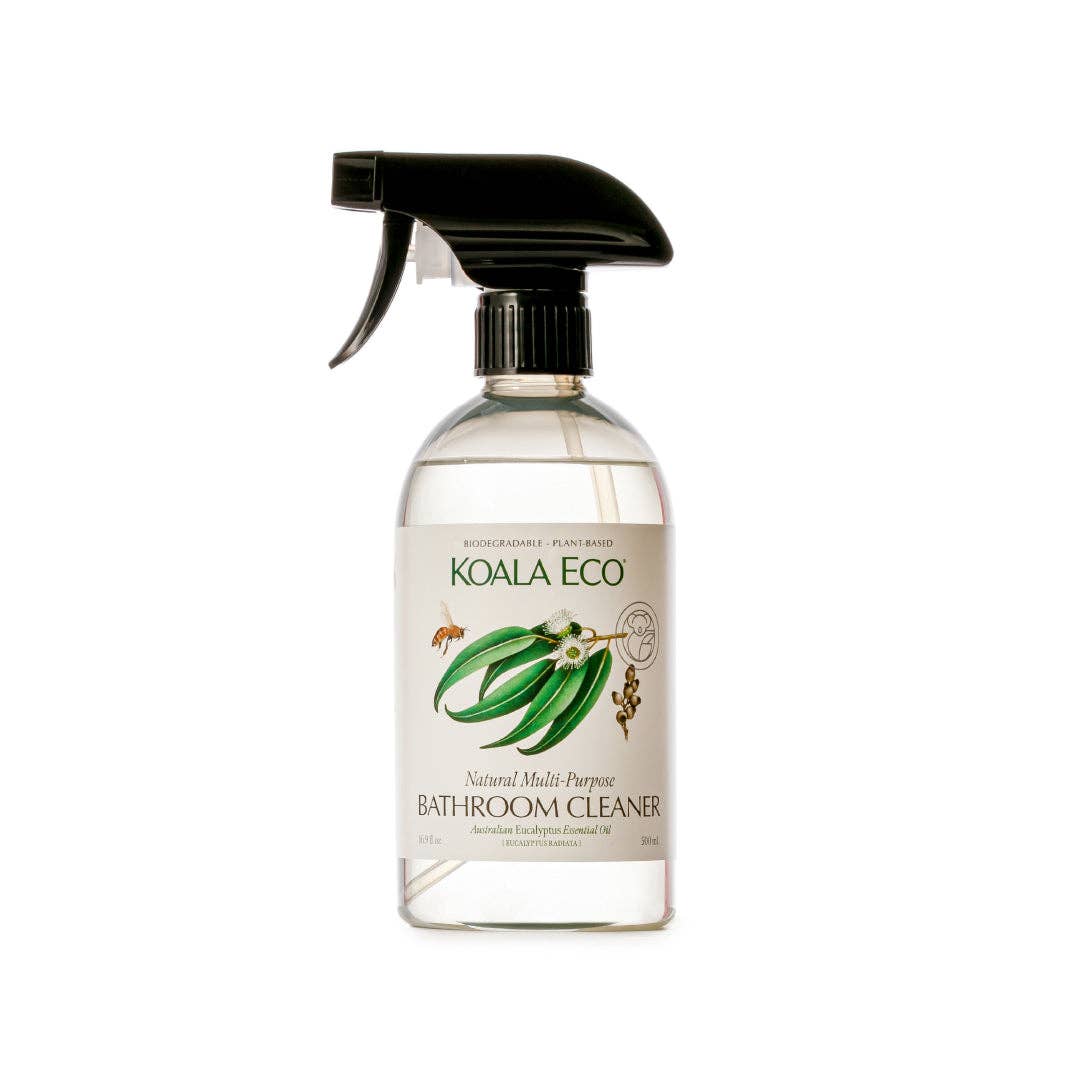
Soap scum and bathroom film. The Eucalyptus Multi-Purpose Bathroom Cleaner at $14.95 cuts through soap scum, dirt and grime. Avoid acidic cleaners on natural stone.
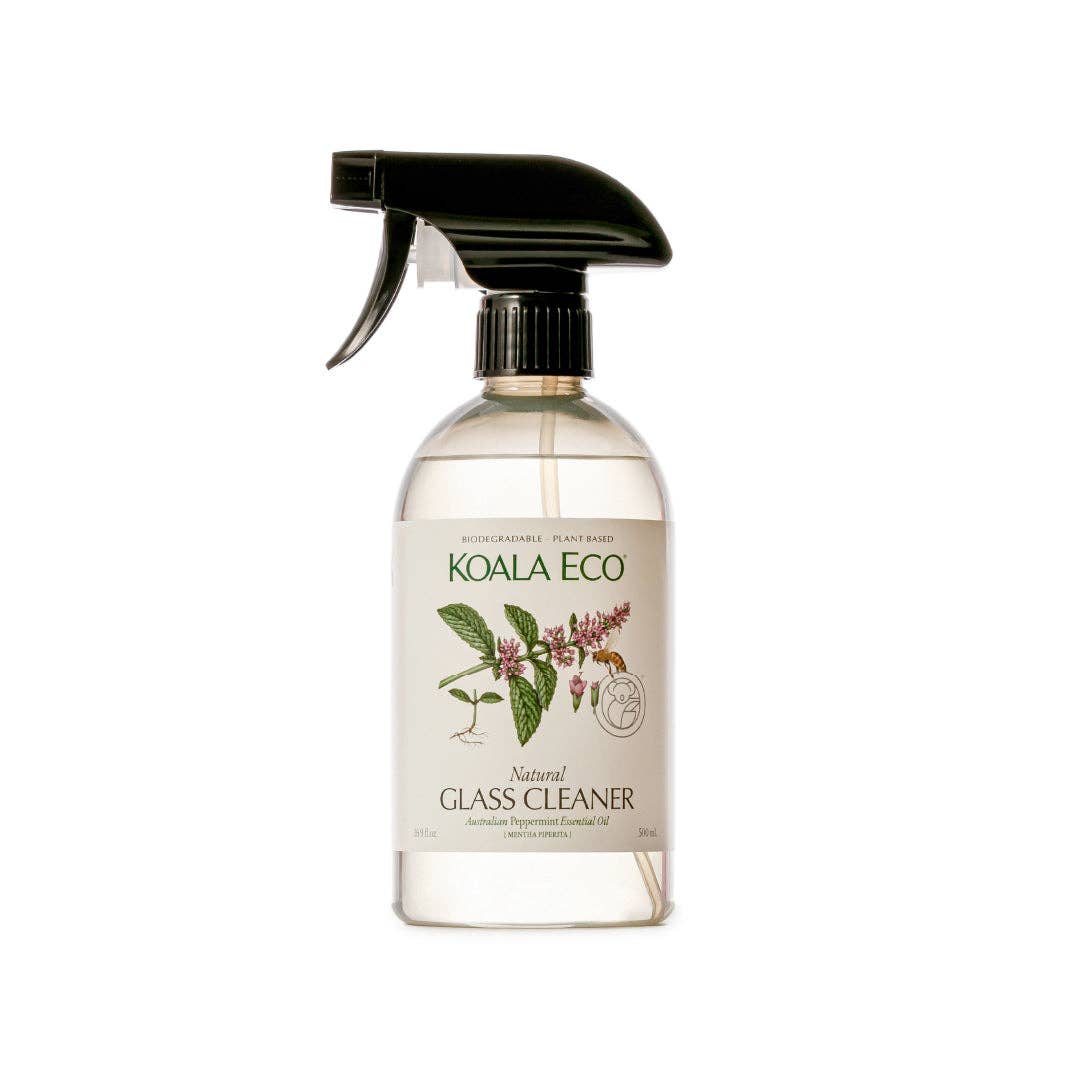
Glass, mirrors and streak-free finishes. Streaking usually comes from too much product or cleaning in direct sun. The Peppermint Glass Cleaner at $14.95 cuts through film and polishes windows, glass doors and mirrors.
Floors. Dilution matters more than brand. The Natural Floor Cleaner at $14.95 is safe for use on any surface, including wood. Check the label before using anything acidic on unsealed stone.
Laundry. The Lemon-Scented Eucalyptus & Rosemary Laundry Wash at $29.95 is a high-performance, ultra-concentrated laundry wash, while the Laundry Stain Spray at $14.95 is a gentle, colour-safe stain spray.
Cost per use. Divide price by bottles or washes made: read the dilution ratio, estimate trigger bottles refilled, and compare per-load laundry cost.
Watch out: mixing vinegar or acidic cleaners with chlorine-based products releases chlorine gas, so never combine them in the same bottle or on the same surface without rinsing.
The article matches each soil type to a product, and the table below lists the prices it gives.
| Task | Product | Price |
|---|---|---|
| Kitchen grease and food residue | Lemon Myrtle & Mandarin Multi-Purpose Kitchen Cleaner | $14.95 |
| Kitchen grease and food residue | Lemon Myrtle & Mandarin Dish Soap | $14.95 |
| Kitchen grease and food residue | Traditional Dish Scrub | $12.95 |
| Soap scum and bathroom film | Eucalyptus Multi-Purpose Bathroom Cleaner | $14.95 |
| Glass and mirrors | Peppermint Glass Cleaner | $14.95 |
| Floors | Natural Floor Cleaner | $14.95 |
| Laundry | Lemon-Scented Eucalyptus & Rosemary Laundry Wash | $29.95 |
| Laundry stain spray | Laundry Stain Spray | $14.95 |
Price of each recommended cleaning product (AUD)
Reading Ingredient Labels and Judging Natural Claims
"Natural" is not a regulated term on most household cleaners, and neither are "non-toxic", "plant-based" or "eco-friendly", they are marketing descriptors, not legal thresholds. A plant-derived product can still contain a sensitiser, and a synthetic surfactant can be milder than a botanical one.
What the terms do and do not mean. "Plant-based" describes a surfactant's feedstock, not finished-formula safety. "Biodegradable" needs its test method and timeframe. "Septic safe" doesn't mean harmless to aquatic life. "Fragrance-free" isn't "unscented", some unscented products use masking fragrance.
Read the full ingredient list, not the front of the bottle. Look for a complete list, a clear statement of intended use, and whether fragrance is present. If a brand won't disclose ingredients on pack or website, treat that as a signal.
Ingredient-specific evidence. Surfactants lift soil, acids dissolve mineral scale, abrasives give mechanical action.
Certifications and third-party marks. Certifications can help you narrow the field, but check what each one actually covers: some assess biodegradability, some assess packaging, and some assess indoor air emissions. Look for third-party marks such as those covered in the Australian eco-labelling and sustainable product guidance before you buy, and read the criteria rather than the logo alone. Also check whether a product states it is biodegradable and septic safe, which matters if your home runs on a septic system.
Effectiveness versus conventional cleaners. Natural products are not automatically gentler or more effective for every surface. Some natural options need more scrubbing. If a task needs disinfection rather than cleaning, check whether the product makes a specific disinfecting claim and follows the contact time on the label; cleaning and disinfecting are different jobs.
Household-specific safety. Store products out of reach of children and pets, keep original labels, and never decant into drink bottles. If anyone in the home has fragrance sensitivity or allergies, patch-test on an inconspicuous spot and ventilate the room. Read the product's stated uses before use.
Keep cleaning products out of reach of children and pets (Poisoning).
DIY Natural Cleaning Recipes and When to Buy Instead
Watch out: "natural" and "non-toxic" don't mean edible or safe to ingest, and essential-oil-based cleaners can be toxic to cats and dogs, keep pets off treated floors until dry.
Vinegar, bicarbonate of soda and citrus peel make simple cleaners for light jobs, and home mixes are a low-cost way to cut back on harsh chemicals. A diluted vinegar spray suits glass and a bicarbonate paste suits sink scouring, but these recipes may not cover heavy grease, sanitising or delicate finishes.
Frequently Asked Questions
What are the best natural cleaning products available in Australia?
The best choice depends on the task. For everyday kitchen surfaces, a plant-based multi-purpose cleaner such as the Lemon Myrtle & Mandarin Multi-Purpose Kitchen Cleaner is priced at $14.95 for 500ml or 1L. For bathrooms, the Eucalyptus Multi-Purpose Bathroom Cleaner ($14.95) is formulated to cut soap scum and is listed as killing 99.9% of germs. Glass, floors and laundry each have a dedicated option too. Compare the listed size, the ingredients and whether it suits the surface you are cleaning before you buy.
Are natural cleaning products as effective as chemical cleaners?
Natural does not automatically mean more effective or safer, so judge each product on its performance for the job. Heavy grease or heavy staining may need more thorough scrubbing. Products that make antibacterial or disinfectant claims should state what they kill. Some people, including those with asthma, can react to any cleaning product, natural or not, so check the label and ventilate the room.
How do I identify non-toxic ingredients in household cleaners?
Start by reading the full ingredient list rather than relying on the word natural on the front. Look for plant-derived or plant-based ingredients, essential oils, and a statement such as no synthetic fragrance. Be cautious with vague terms like fragrance or parfum, which can hide synthetic chemicals. Check that the product states it is biodegradable and septic safe, and look for clear claims about how it should be used and stored around children and pets.
