

Last Updated: November 13, 2026
Quick Summary
Mud Australia alternatives for ceramics come from local studio potters, Mediterranean importers, large homeware chains and our Sicilian collection. Each option trades Mud Australia's single matte tone for warmer colour, pattern or irregular handmade variation, so check dimensions, weight and care instructions before you buy.
- Local studio potters suit one-off pieces and gifting but have limited runs and longer lead times.
- Mediterranean importers offer patterned, colourful, decorative ceramics for serving and display.
- Large homeware chains give uniform, matte, minimal everyday sets with less variation piece to piece.
- Our Sicilian collection is hand-decorated and traditional, best for hosting and centrepieces.
- Ask where a piece was made and how it was fired, since handmade does not always mean locally made.
Table of Contents
- Why Shoppers Seek Mud Australia Alternatives for Ceramics
- Handmade Ceramic Tableware and Artisanal Ceramic Homewares Compared
- Australian Ceramic Brands and Sustainable Handmade Homewares to Consider
- Frequently Asked Questions
Why Shoppers Seek Mud Australia Alternatives for Ceramics
Shoppers looking for Mud Australia alternatives for ceramics often want the same quiet, handmade feel with a warmer palette or a more traditional story behind each piece.
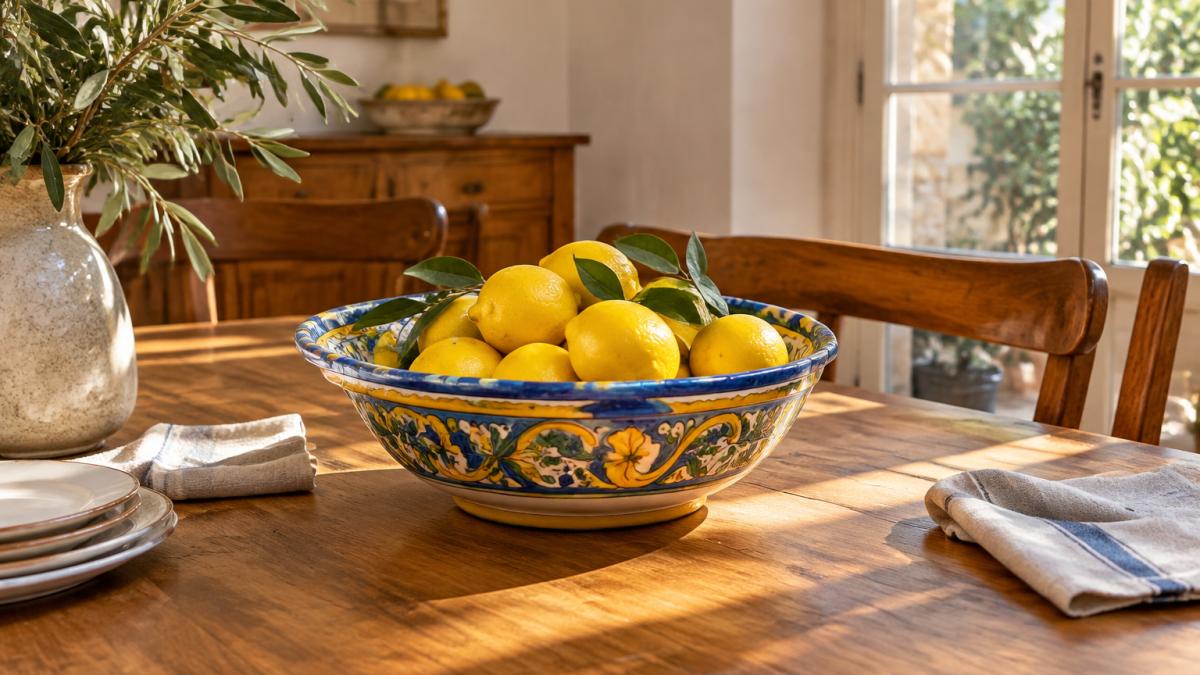
The practical reasons are just as common. Many buyers want colour and pattern rather than a single matte tone. Others want a piece that reads as decorative when it is not in use. A serving bowl that doubles as a centrepiece earns its shelf space.
IBISWorld's ceramic product manufacturing market data shows the local manufacturing base contracting, which means more shoppers are sourcing handmade ceramics from specialist importers rather than high-street homeware chains.
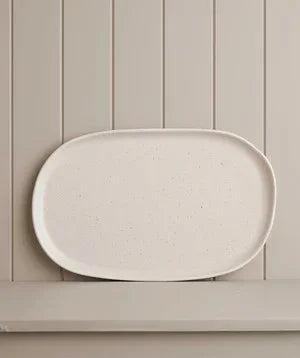
If you want a handmade platter as a starting point, our Large Oblong Platter Natural Earth Table Of Plenty shows the kind of warm, textured finish that sits comfortably beside a minimalist collection.
Watch out: the biggest mistake is buying for the photograph rather than the table. Check dimensions and weight before you commit, because a 30 cm centrepiece bowl is a very different object in a small kitchen. A bowl’s scale matters just as much as its finish, and Fluent Trends can help you think through how handmade pieces fit into the wider feel of a room.
Handmade Ceramic Tableware and Artisanal Ceramic Homewares Compared
Handmade ceramic tableware is dinnerware shaped, glazed and decorated by hand, so no two pieces match exactly. Artisanal ceramic homewares extend that craft beyond the plate to bowls, jugs, platters and decorative objects.
The difference shows up in three places.
Stoneware and porcelain behave differently at the table. Stoneware is heavier and holds heat well, which suits serving dishes. Porcelain is finer and lighter, better for tea and delicate courses.
Before you buy, read our guide to artisan ceramic care so you know how washing and heat affect glaze over time. For a reference point on the handmade look, our Studio Ceramic Bowl Nougat shows how a soft neutral glaze reads in a real setting.
Australian Ceramic Brands and Sustainable Handmade Homewares to Consider
Australian ceramic brands cover a wide spread: studio potters working in stoneware, small-batch importers of Mediterranean ceramics, and larger homeware labels. Sustainable handmade homewares usually means small-batch production, minimal packaging and pieces built to last rather than be replaced.
Here is how the options compare in practice:
| Option | Style | Best for | Consider |
|---|---|---|---|
| Local studio potter | Earthy, irregular, often neutral | One-off pieces and gifting | Limited runs, longer lead times |
| Mediterranean importers | Patterned, colourful, decorative | Serving and display | Check care instructions |
| Large homeware chains | Uniform, matte, minimal | Everyday sets | Less variation piece to piece |
| Our Sicilian collection | Hand-decorated, traditional | Hosting and centrepieces | Hand wash to protect glaze |
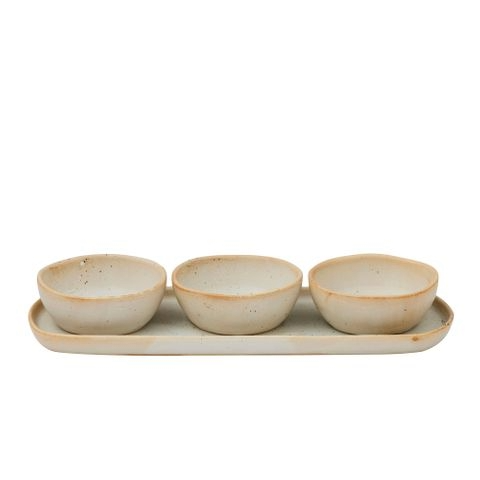
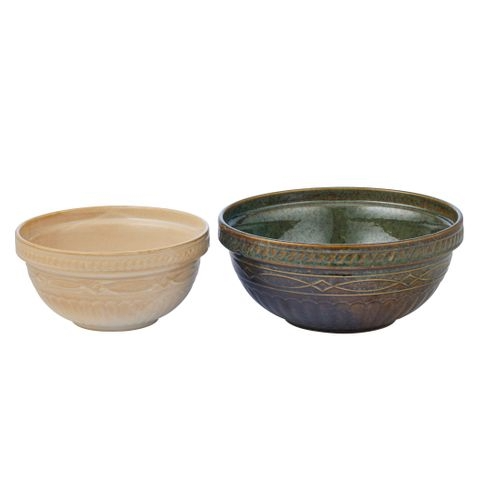
For a concrete handmade serve set, the Francis Ceramic 4pc Serve Set is a straightforward place to start. If you are after bowls specifically, the Loire 2pc Ceramic Bowl Set covers everyday use.
A common mistake is assuming "handmade" always means locally made. Ask where the piece was made and how it was fired. That question tells you more than any label.
The challenge is finding ceramics that feel handmade without feeling fragile or out of place in a modern home. Constance & Belle sources hand-decorated Sicilian ceramics, each piece made and decorated by hand in Caltagirone, with a Made in Italy certificate on selected items. Our collection covers centrepieces, bowls, jugs and decorative pinecones, all chosen for the table and the room around it. Get started with Constance & Belle and bring a little Sicilian craft to your everyday rituals.
Frequently Asked Questions
What are the best Mud Australia alternatives for ceramics?
Shoppers comparing Mud Australia alternatives for ceramics often want pieces with visible hand-finishing and a story behind them. Constance & Belle offers Caltagirone ceramics made in Sicily, including a hand-decorated bowl centrepiece at $299 and a 12cm pinecone diffuser at $35. Compare size, glaze finish and whether the piece is decorative or for serving before you buy.
Are handmade ceramic pieces suitable for everyday use?
Many are. The Caltagirone bowl centrepieces, for example, are listed as durable and versatile, suited to serving, displaying or decorating. Check each listing for dimensions and care notes, and treat glazed ceramics gently: avoid sudden temperature changes and hand wash where the maker advises it. Decorative pieces such as the pinecone diffuser are best kept for styling rather than food use.
How do I choose ceramic tableware that suits my style?
Start with the room and the occasion. Minimalist interiors suit the white glazed pinecone diffuser at $35 or the white decorative pinecone at $395, while a traditional table suits the lemon centrepiece at $389 or the red and green geometric design. Measure your surface first: the bowl centrepieces are 30cm in diameter, and the large half pinecone stand is 25.5cm across.
